


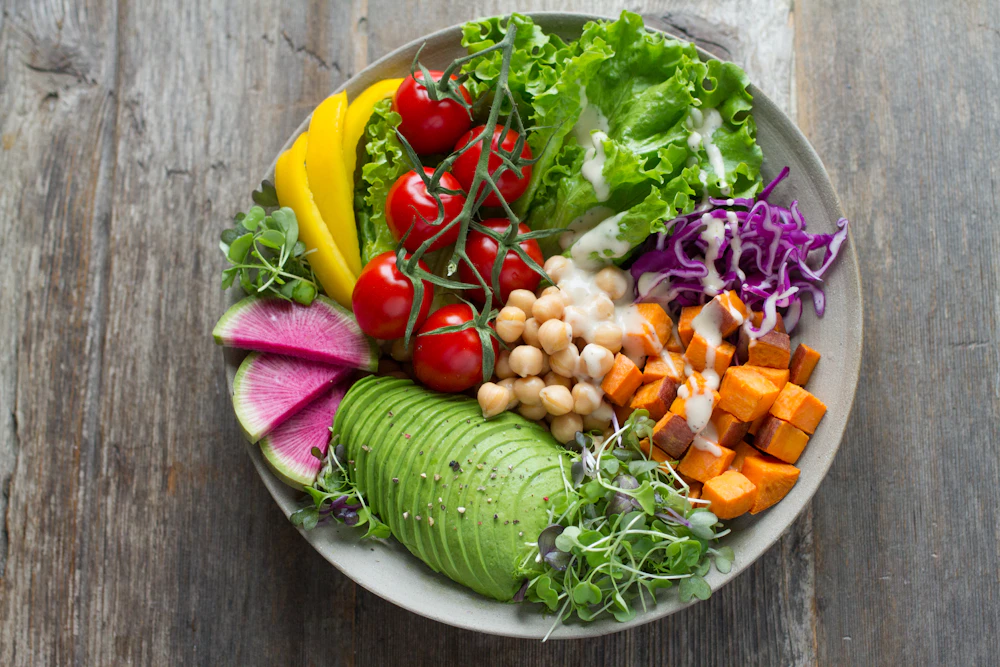

What is Dietetics & Nutrition?
Dietetics and Nutrition is a specialized branch of health sciences that focuses on the relationship between food, health, and disease. While Nutrition is the study of how food affects the body's physiological functions, Dietetics is the practical application of nutritional science to help people make healthy food choices and manage medical conditions through diet.
In the Indian context, this field is gaining immense popularity due to the rising prevalence of lifestyle diseases like diabetes, obesity, and cardiovascular issues. Professionals in this field, known as Registered Dietitians (RD) or Nutritionists, work in hospitals, wellness centers, sports organizations, and the food industry to promote public health. For more detailed insights, you can visit the Nutrition Society of India.
Dietetics & Nutrition - Highlights
| Parameter | Details |
|---|---|
| Full Form | Bachelor/Master of Science in Nutrition and Dietetics |
| Course Levels Available | UG (B.Sc), PG (M.Sc, MD), Diploma, PhD |
| Duration | UG: 3 Years, PG: 2 Years, Diploma: 1 Year |
| Eligibility | 10+2 with PCB (Physics, Chemistry, Biology) for UG; Relevant Graduation for PG |
| Top Entrance Exams | CUET, ICAR AIEEA, AIIMS M.Sc Entrance, CPGET |
| Top Colleges | AIIMS, Lady Irwin College, CMC Vellore, JIPMER, Mount Carmel College |
| Average Fees Range (INR) | INR 20,000 to 2,50,000 per annum |
| Average Salary (INR LPA) | INR 3 LPA to 10 LPA |
| Popular Job Profiles | Clinical Dietitian, Sports Nutritionist, Food Scientist, Public Health Nutritionist |
Dietetics & Nutrition - Eligibility Criteria & Admission Process 2026
The admission process for 2026 follows a structured path based on the level of the course:
- Undergraduate (B.Sc): Candidates must have completed 10+2 from a recognized board with Physics, Chemistry, and Biology as core subjects. A minimum of 50% aggregate is usually required. Admission is either merit-based or through the CUET UG 2026 exam.
- Postgraduate (M.Sc/PG Diploma): A Bachelor’s degree in Home Science, Nutrition, or a related Life Science field is mandatory. Some top-tier clinical nutrition programs prefer B.Sc Nutrition graduates.
- Doctoral (PhD): A Master’s degree in Nutrition or Dietetics with a minimum of 55% marks and qualifying exams like UGC-NET or CSIR-NET.
- Medical (MD): For students with an MBBS degree, an MD in Community Medicine or Physiology often covers nutritional aspects, requiring NEET PG qualification.
Top Entrance Exams for Dietetics & Nutrition 2026
To secure admission in 2026, students must target the following entrance examinations:
| Exam Name | Level | Conducting Body |
|---|---|---|
| CUET UG/PG | National | National Testing Agency (NTA) |
| ICAR AIEEA | National | Indian Council of Agricultural Research |
| AIIMS M.Sc Entrance | National | AIIMS, New Delhi |
| CPGET | State (Telangana) | Osmania University |
| IPU CET | University | GGSIPU, Delhi |
| NEST | National | NISER and UM-DAE CEBS |
Types of Dietetics & Nutrition Courses (UG, PG, Diploma, PhD)
Students can choose from various academic paths depending on their career goals:
- B.Sc in Nutrition & Dietetics: A 3-year foundational program covering food chemistry and human physiology.
- M.Sc in Clinical Nutrition: A 2-year specialized program focusing on therapeutic diets for hospital patients.
- PG Diploma in Dietetics & Public Health Nutrition (DDPHN): A 1-year intensive course popular for gaining quick industry entry.
- MD in Nutrition/Biochemistry: Available for MBBS graduates looking to specialize in metabolic health.
- Certificate Courses: Short-term (3-6 months) courses in Sports Nutrition or Pediatric Nutrition.
Dietetics & Nutrition - Syllabus & Key Subjects
The curriculum is designed to provide both theoretical and clinical knowledge. Key subjects include:
- Human Physiology: Understanding body systems and metabolism.
- Food Microbiology: Study of microorganisms in food and safety protocols.
- Therapeutic Nutrition: Designing diets for diseases like Diabetes, Hypertension, and Renal failure.
- Community Nutrition: Addressing malnutrition and public health policies in India.
- Biochemistry: Chemical processes within and relating to living organisms.
- Institutional Food Management: Managing large-scale kitchen operations in hospitals or industries.
Top Dietetics & Nutrition Colleges in India (Government & Private)
| College Name | Type | Location |
|---|---|---|
| AIIMS (All India Institute of Medical Sciences) | Government | New Delhi |
| Lady Irwin College (University of Delhi) | Government | New Delhi |
| JIPMER | Government | Puducherry |
| Christian Medical College (CMC) | Private | Vellore |
| Mount Carmel College | Private | Bengaluru |
| SNDT Women's University | Government | Mumbai |
| Ethiraj College for Women | Private | Chennai |
| St. John's Medical College | Private | Bengaluru |
Dietetics & Nutrition - Career Scope, Salary & Job Profiles
The demand for nutrition professionals is at an all-time high. Graduates can work in various sectors:
- Clinical Dietitian: Working in hospitals to manage patient diets (Salary: 3-6 LPA).
- Sports Nutritionist: Working with athletes and sports teams (Salary: 5-10 LPA).
- Public Health Nutritionist: Working with NGOs and government bodies like UNICEF or WHO (Salary: 4-8 LPA).
- Food Scientist: Researching new food products for companies (Salary: 5-12 LPA).
- Academician/Professor: Teaching at colleges and universities (Salary: 4-9 LPA).
Top Recruiters & Hospitals for Dietetics & Nutrition Graduates
Graduates find opportunities in top-tier healthcare and FMCG companies:
- Hospitals: Apollo Hospitals, Max Healthcare, Fortis Healthcare, Medanta.
- FMCG & Food Industry: Nestle, Amul, Britannia, PepsiCo, Hindustan Unilever.
- Wellness Brands: VLCC, HealthifyMe, Cult.fit.
- Government Organizations: FSSAI (Food Safety and Standards Authority of India), NIN (National Institute of Nutrition).
FAQs About Dietetics & Nutrition
Q: Is NEET required for B.Sc Nutrition and Dietetics?
A: No, NEET is primarily for MBBS/BDS. Admission to B.Sc Nutrition is usually through CUET or merit-based on class 12 marks.
Q: What is the difference between a Dietitian and a Nutritionist?
A: A Dietitian is a regulated health professional with clinical training (often an RD), while 'Nutritionist' is a broader term that may not always require clinical certification.
Q: How can I become a Registered Dietitian (RD) in India?
A: You must complete a B.Sc and M.Sc/PG Diploma in Nutrition, followed by a 6-month internship in an IDA-recognized hospital, and then pass the RD exam conducted by the Indian Dietetic Association.
Q: Can Arts students apply for Nutrition courses?
A: Most reputable B.Sc programs require a Science background (PCB). However, some private universities may offer BA/B.Voc in Nutrition for students from other streams.
Q: Is there a high demand for sports nutritionists in India?
A: Yes, with the growth of leagues like IPL and ISL, and increased focus on Olympic sports, specialized sports nutritionists are highly sought after.
Q: What is the average fee for an M.Sc in Nutrition?
A: In government colleges, it ranges from INR 5,000 to 20,000 per year. In private colleges, it can range from INR 80,000 to 2,00,000 per year.
Q: Are there any online certification courses for Dietetics?
A: Yes, platforms like IGNOU and Coursera offer certificates, but for clinical practice, a formal degree (B.Sc/M.Sc) is mandatory.
Q: Can I open my own clinic after B.Sc Nutrition?
A: While you can consult, it is highly recommended to complete a Master's and obtain an RD license to practice legally as a clinical consultant.
Interested in Dietetics & Nutrition?
Get access to top college comparisons, admission alerts, fee details, and expert counselling for Dietetics & Nutrition.