

What is Automotive Design?
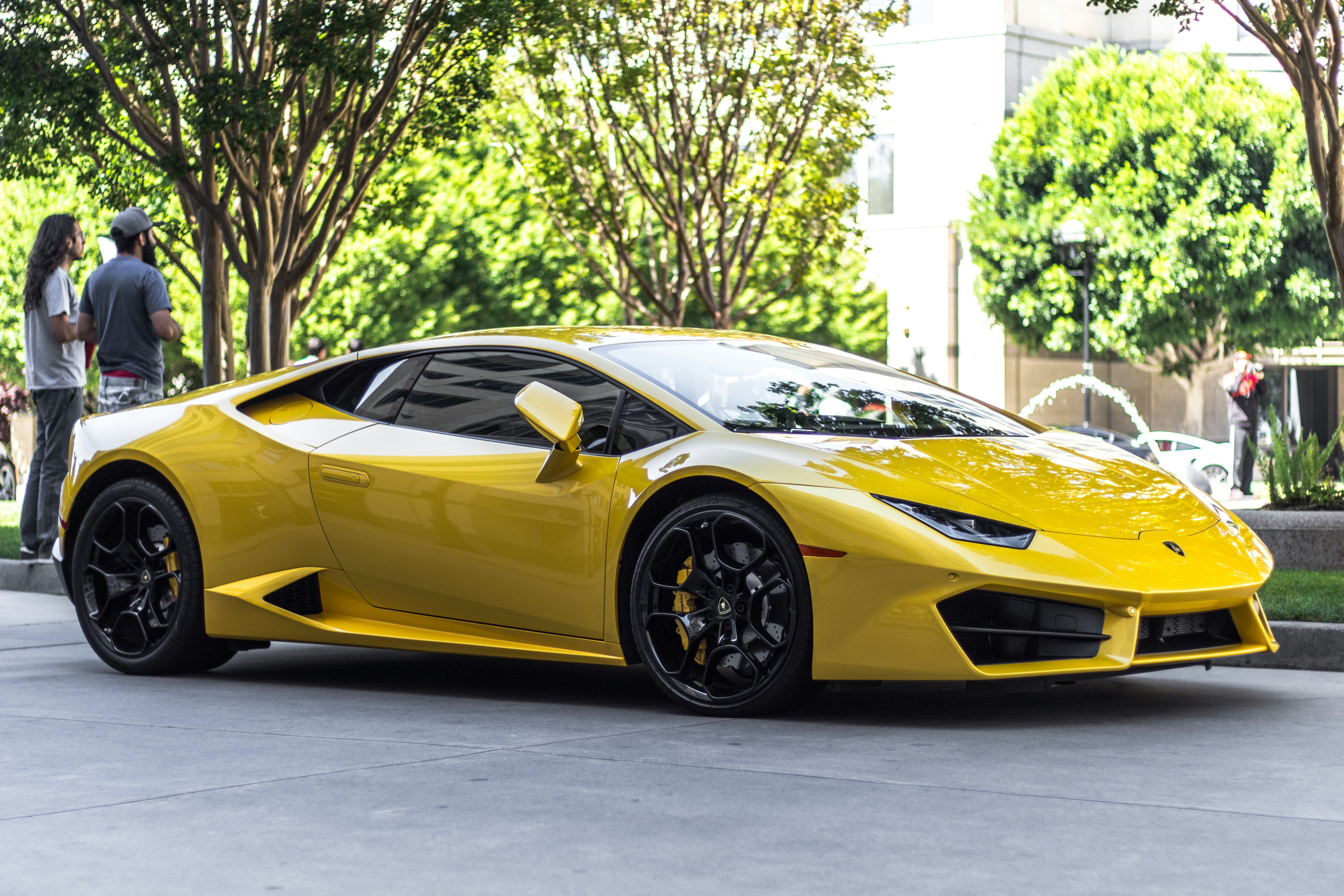
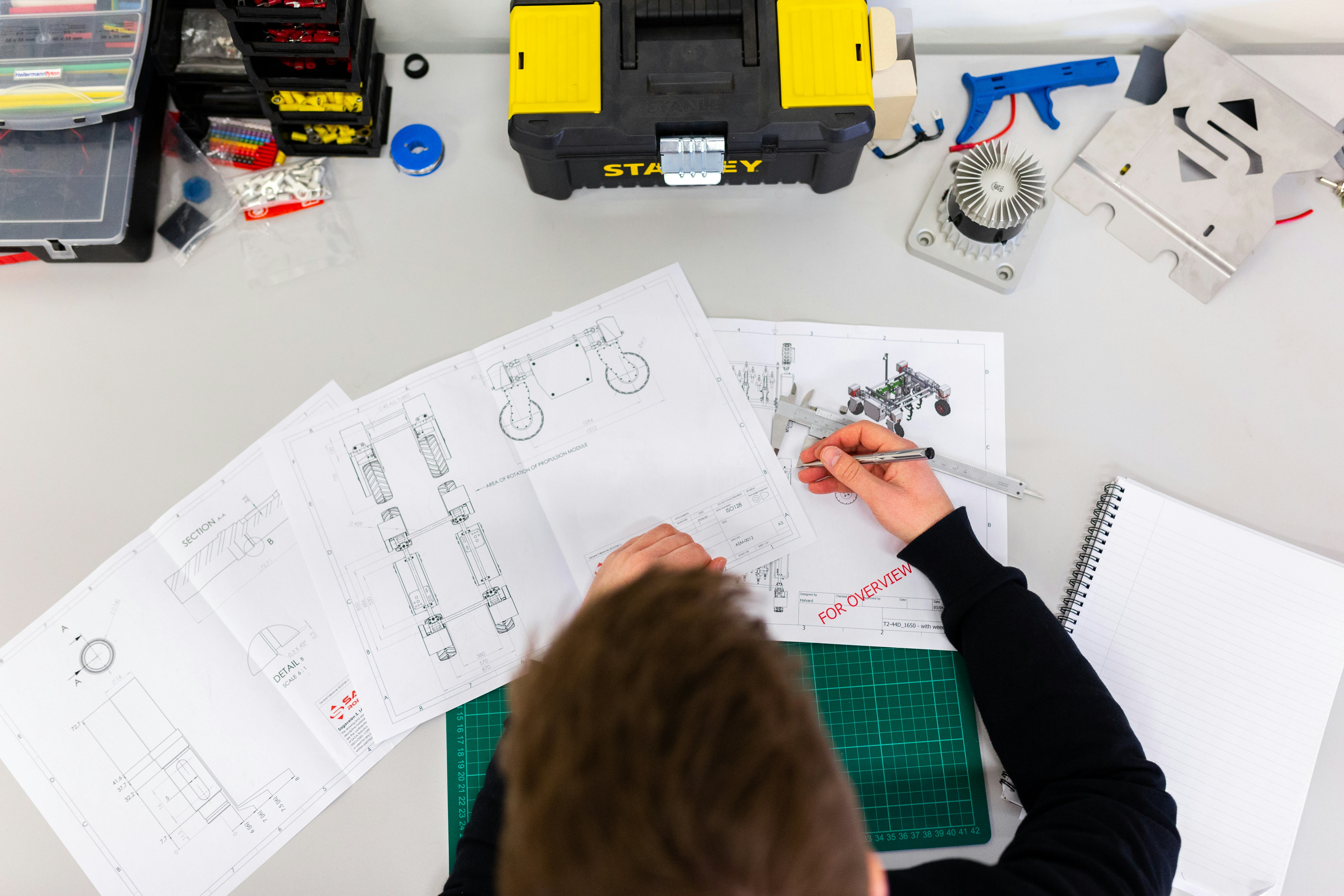
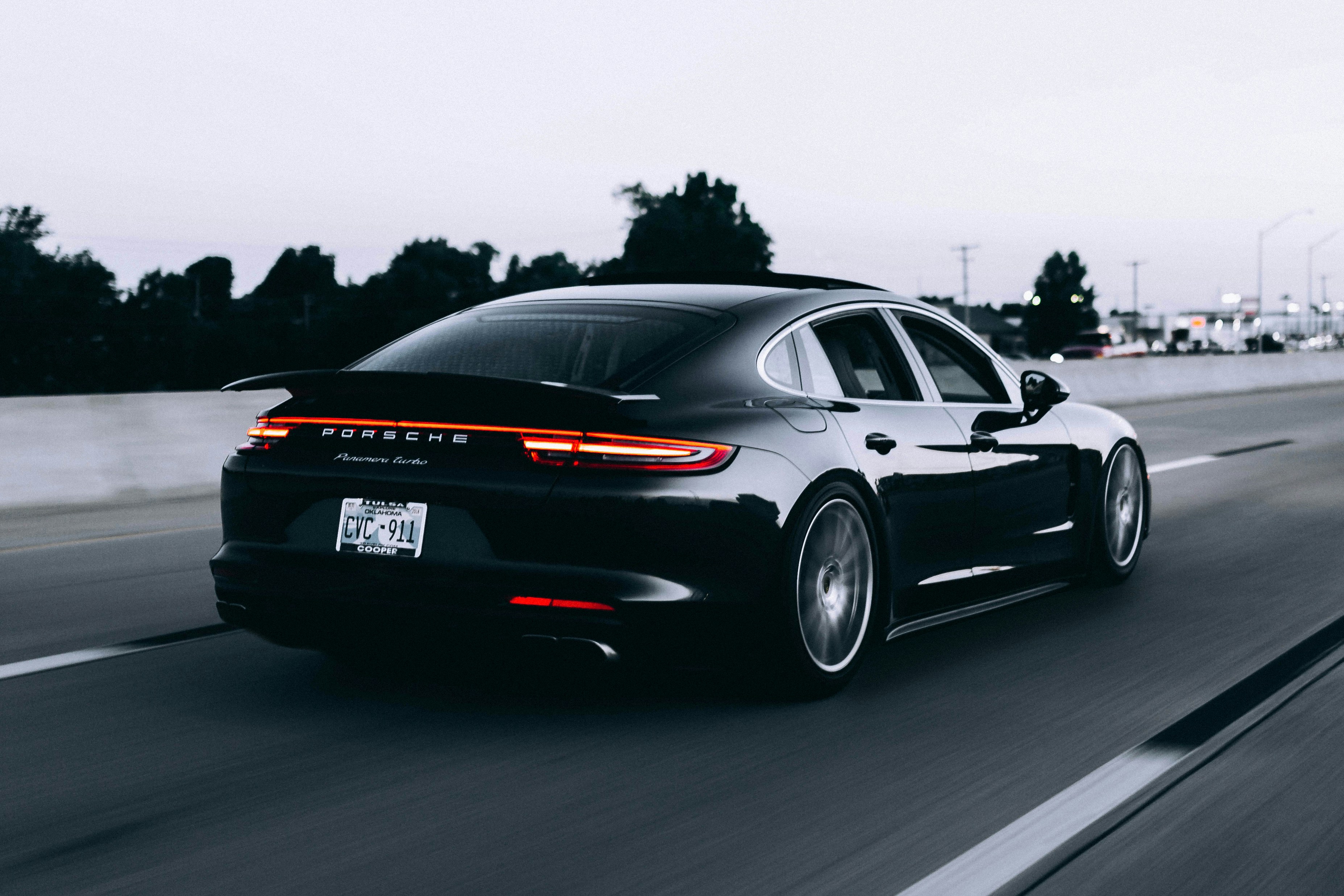
Automotive Design (often categorized under Transportation Design) is a specialized branch of Industrial Design focused on the aesthetics, ergonomics, and functional development of motor vehicles. It involves creating the visual appearance or "styling" of vehicles, including cars, motorcycles, trucks, and buses. The field combines creative artistic skills with engineering principles to ensure that vehicles are not only visually appealing but also aerodynamic, safe, and efficient.
In the Indian context, Automotive Design is a highly competitive field, with students pursuing degrees such as Bachelor of Design (B.Des) and Master of Design (M.Des). Designers work on three main aspects: Exterior Design (the shape and surfaces), Interior Design (cabin layout and controls), and Color, Materials, and Finish (CMF) design.
Automotive Design - Highlights
| Parameter | Details |
|---|---|
| Full Form | Bachelor/Master of Design in Automotive/Transportation Design |
| Course Levels Available | UG (B.Des), PG (M.Des), Diploma, PhD |
| Duration | UG: 4 Years, PG: 2 Years |
| Eligibility | UG: 10+2 from any stream; PG: Graduation (B.Des/B.Arch/B.Tech) |
| Top Entrance Exams | UCEED, CEED, NID DAT, NIFT, SEED |
| Top Colleges | NID Ahmedabad, IIT Bombay (IDC), MIT ID Pune, UPES Dehradun |
| Average Fees Range (INR) | ₹2,00,000 to ₹15,00,000 (Total Course Fee) |
| Average Salary (INR LPA) | ₹4 LPA to ₹25 LPA |
| Popular Job Profiles | Automotive Designer, CAD Professional, CMF Designer, Clay Modeler |
Automotive Design - Eligibility Criteria & Admission Process 2026
Admissions for the 2026 academic session follow strict eligibility guidelines based on the level of the course:
- Undergraduate (B.Des): Candidates must have passed 10+2 or equivalent from a recognized board (CBSE, ICSE, or State Boards) in any stream (Science, Commerce, or Arts). Most top-tier institutes require a minimum of 50% aggregate marks.
- Postgraduate (M.Des): Candidates must hold a Bachelor’s degree in Design, Engineering (Mechanical/Automobile), or Architecture. A valid CEED score is mandatory for IITs and IISc.
- Admission Process: The process typically involves three stages: 1. Entrance Exam (Written Test), 2. Studio Test/Portfolio Evaluation, and 3. Personal Interview (PI).
Top Entrance Exams for Automotive Design 2026
To secure a seat in premier design institutes for the 2026 session, students must clear national-level entrance exams. These exams test visualization, spatial ability, and creative aptitude.
| Entrance Exam | Target Institutes | Exam Date (Tentative) |
|---|---|---|
| UCEED | IIT Bombay, IIT Delhi, IIT Guwahati, IIT Hyderabad | January 2026 |
| CEED | IITs and IISc (for M.Des) | January 2026 |
| NID DAT | National Institute of Design (NID) Ahmedabad | December 2025 - January 2026 |
| SEED | Symbiosis Institute of Design (SID) | January 2026 |
Types of Automotive Design Courses (UG, PG, Diploma, PhD)
Students can choose from various academic pathways depending on their career stage:
- Bachelor of Design (B.Des) in Transportation Design: A 4-year foundational program covering sketching, 3D modeling, and ergonomics.
- Master of Design (M.Des): A 2-year specialization for those wanting to deepen their technical expertise in vehicle aesthetics and future mobility.
- Diploma in Automotive Digital Design: Shorter 1-2 year courses focusing on software like Alias, CATIA, and Blender.
- PhD in Design: Research-based programs focusing on sustainable transport, EV infrastructure, and user experience (UX) in autonomous vehicles.
Automotive Design - Syllabus & Key Subjects
The curriculum is a blend of artistic creativity and technical knowledge. Key subjects include:
- Design Sketching: Perspective drawing, speed forms, and ideation.
- Digital Sculpting: Proficiency in Autodesk Alias, Rhino, and VRED for 3D visualization.
- Vehicle Packaging: Understanding the mechanical layout and engine placement.
- Aerodynamics: Study of airflow and its impact on vehicle performance.
- Color, Materials, and Finish (CMF): Selection of fabrics, leather, and paint textures for the vehicle interior and exterior.
- Ergonomics: Human-machine interface (HMI) and passenger comfort studies.
Top Automotive Design Colleges in India (Government & Private)
| College Name | Type | Location |
|---|---|---|
| National Institute of Design (NID) | Government | Ahmedabad |
| Industrial Design Centre (IDC), IIT Bombay | Government | Mumbai |
| MIT Institute of Design | Private | Pune |
| UPES School of Design | Private | Dehradun |
| DYPDC School of Design | Private | Pune |
Automotive Design - Career Scope, Salary & Job Profiles
With India becoming a global hub for automobile manufacturing and the rise of Electric Vehicles (EVs), the demand for skilled designers is at an all-time high.
- Exterior Designer: Responsible for the "face" and silhouette of the car. (Avg Salary: ₹6-12 LPA)
- Interior Designer: Focuses on the dashboard, seating, and infotainment systems. (Avg Salary: ₹5-10 LPA)
- Clay Modeler: Creates physical 3D scale models using industrial clay. (Avg Salary: ₹4-8 LPA)
- CMF Designer: Decides the tactile feel and visual palette of the vehicle. (Avg Salary: ₹5-9 LPA)
- Creative Director: Leads the entire design vision for a brand. (Avg Salary: ₹25+ LPA)
Top Recruiters & Companies for Automotive Design Graduates
Graduates are hired by Original Equipment Manufacturers (OEMs) and design consultancies. Top recruiters include:
- Indian OEMs: Tata Motors, Mahindra & Mahindra, Maruti Suzuki, Hero MotoCorp, TVS Motors.
- Global Brands: Hyundai, Kia, Honda, Mercedes-Benz (R&D India), Renault-Nissan.
- EV Startups: Ola Electric, Ather Energy, Ultraviolette Automotive.
- Design Studios: Pininfarina, Tata Elxsi, General Motors Design Center.
FAQs About Automotive Design
Q: Is Math mandatory for Automotive Design?
A: While not strictly mandatory for B.Des in most private colleges, a basic understanding of geometry and physics is helpful. For M.Des at IITs, an engineering background is often required.
Q: What is the difference between Automotive Design and Automobile Engineering?
A: Design focuses on the look, feel, and user experience (aesthetics/ergonomics), while Engineering focuses on the internal mechanics, engine, and structural integrity.
Q: Which software is most important for car designers?
A: Autodesk Alias is the industry standard for Class-A surfacing. Other popular tools include Adobe Photoshop, Rhino, and Blender.
Q: Do I need to be excellent at drawing?
A: Yes, sketching is the primary language of designers. You must be able to communicate ideas quickly through hand-drawn or digital sketches.
Q: Are there jobs for Automotive Designers in India?
A: Yes, major companies like Tata and Mahindra have massive design studios in Pune and Bangalore, and global brands are expanding their R&D centers in India.
Q: Can I switch from Mechanical Engineering to Automotive Design?
A: Absolutely. Many successful designers start with a B.Tech in Mechanical Engineering and then pursue an M.Des in Transportation Design.
Q: What is the average fee for a B.Des in Automotive Design?
A: Government colleges like NID cost around ₹2-3 Lakhs per year, while private universities may charge ₹4-6 Lakhs per year.
Q: Is a portfolio required for admission?
A: Yes, for the second stage of admission (Studio Test/Interview), a portfolio showcasing your creative work and sketching skills is crucial.
Interested in Automotive Design?
Get access to top college comparisons, admission alerts, fee details, and expert counselling for Automotive Design.